
Budapest Food & Drink · 7 min read
What to Eat in Budapest: 10 Traditional Hungarian Foods to Try
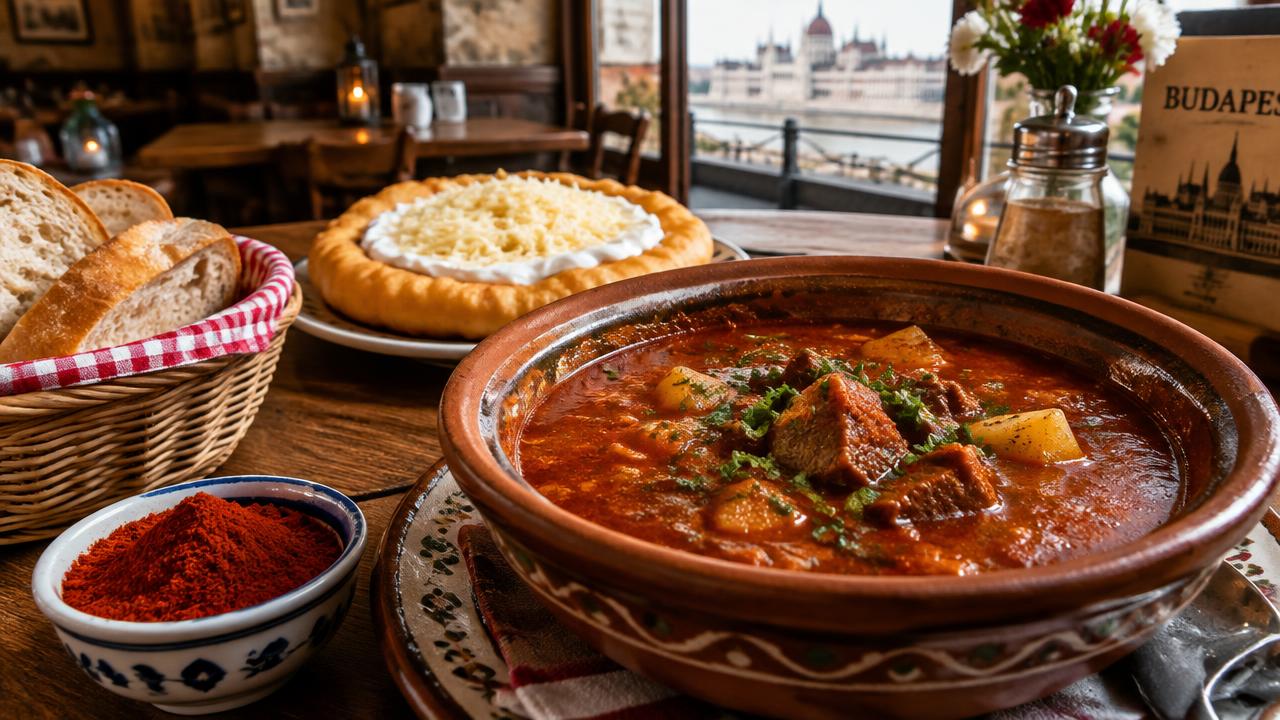
When people think about Hungarian food, one dish usually comes to mind: goulash. But if you visit Budapest and only try goulash, you will miss a large part of what Hungarian cuisine has to offer. Traditional Hungarian food includes rich soups, slow-cooked meat dishes, homemade noodles, fried street food, seasonal vegetables and some excellent desserts. You will also notice a few ingredients appearing regularly: paprika, onions, sour cream and, in many traditional recipes, pork. Hungarian cuisine is often hearty, and portions can be generous. But that doesn't mean every Hungarian dish is heavy, spicy or based on meat. As a private driver in Budapest, I often meet visitors who are curious about Hungarian food but aren't quite sure what to order when they open a restaurant menu. This guide is designed to help you recognise ten traditional dishes, understand what they contain and decide which ones you might enjoy during your stay. You don't need to try everything. But knowing a little about Hungarian cuisine can make eating in Budapest a much more interesting experience.
This article is part of our complete Budapest guide: 10 Things to Know Before Visiting Budapest for the First Time
1. Gulyás, Hungarian Goulash Soup
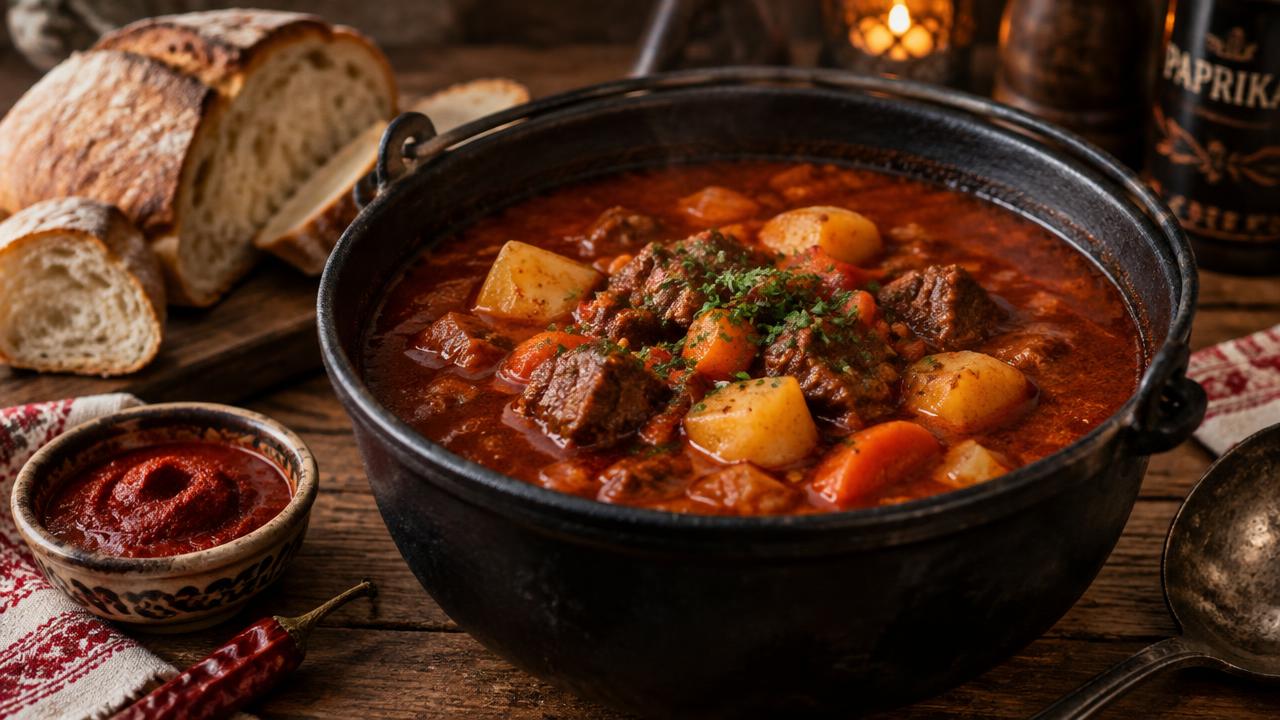
What is it? Gulyás is probably Hungary's most internationally recognised dish. But there is something worth knowing before you order it. In Hungary, traditional gulyás is generally a soup rather than the thick stew that some international visitors expect. It typically contains beef, potatoes, vegetables, onions and Hungarian paprika, creating a rich, warming broth.
Depending on the recipe, it may also contain small homemade pinched noodles called csipetke. Gulyás is a substantial soup, and a generous serving with bread can sometimes be enough for a light meal. Is Hungarian goulash spicy? Not necessarily. Hungarian paprika adds flavour and colour, but it doesn't automatically make a dish hot.
Some restaurants offer additional hot paprika or chilli if you prefer more heat. When should you try it? Gulyás is an excellent introduction to Hungarian cuisine, particularly if you're visiting during the colder months. It's also a useful dish to understand because you'll see it on menus throughout Budapest. One tip: if you want a thick meat stew rather than soup, look for pörkölt, which we'll cover shortly.
2. Csirkepaprikás, Chicken Paprikash
What is it? Chicken paprikash is one of Hungary's classic comfort foods. Chicken is cooked with onions and paprika, then finished with a sauce that commonly includes sour cream. The result is a rich, creamy dish with a distinctive paprika flavour. It is traditionally served with nokedli, small Hungarian egg-and-flour dumplings that are particularly good at absorbing the sauce.
If you're looking for a traditional Hungarian main course but don't know where to start, chicken paprikash is an approachable option. The flavour is generally savoury rather than intensely spicy. What should you order with it? If the restaurant offers chicken paprikash with homemade nokedli, that's a traditional combination.
Some places may serve it with other accompaniments, but the dumplings are part of the classic experience.
Traditional chicken paprikash usually contains dairy, and nokedli generally contains wheat and eggs. If you have allergies or dietary restrictions, check the ingredients before ordering.
3. Pörkölt, Traditional Hungarian Meat Stew
What is it? Pörkölt is a slow-cooked Hungarian meat stew made with onions, paprika and relatively little liquid. Unlike gulyás, it has a thicker sauce. Different versions can be made with beef, pork, veal or other meats. You might see marhapörkölt on a menu, which means beef pörkölt. The meat is cooked until tender, while the onions and paprika create a concentrated sauce.
It is commonly served with nokedli, boiled potatoes or another traditional accompaniment. What's the difference between gulyás and pörkölt? This is one of the most useful distinctions to remember. Gulyás is traditionally a soup. Pörkölt is a stew. International restaurant menus sometimes translate both using the word "goulash", which can understandably confuse visitors.
If you're looking for a rich meat dish with a thick sauce, pörkölt is the one to look for.
Pörkölt can be a filling meal. If you're planning a large dinner, you probably don't need several heavy starters beforehand.
4. Lángos, Hungary's Famous Fried Street Food
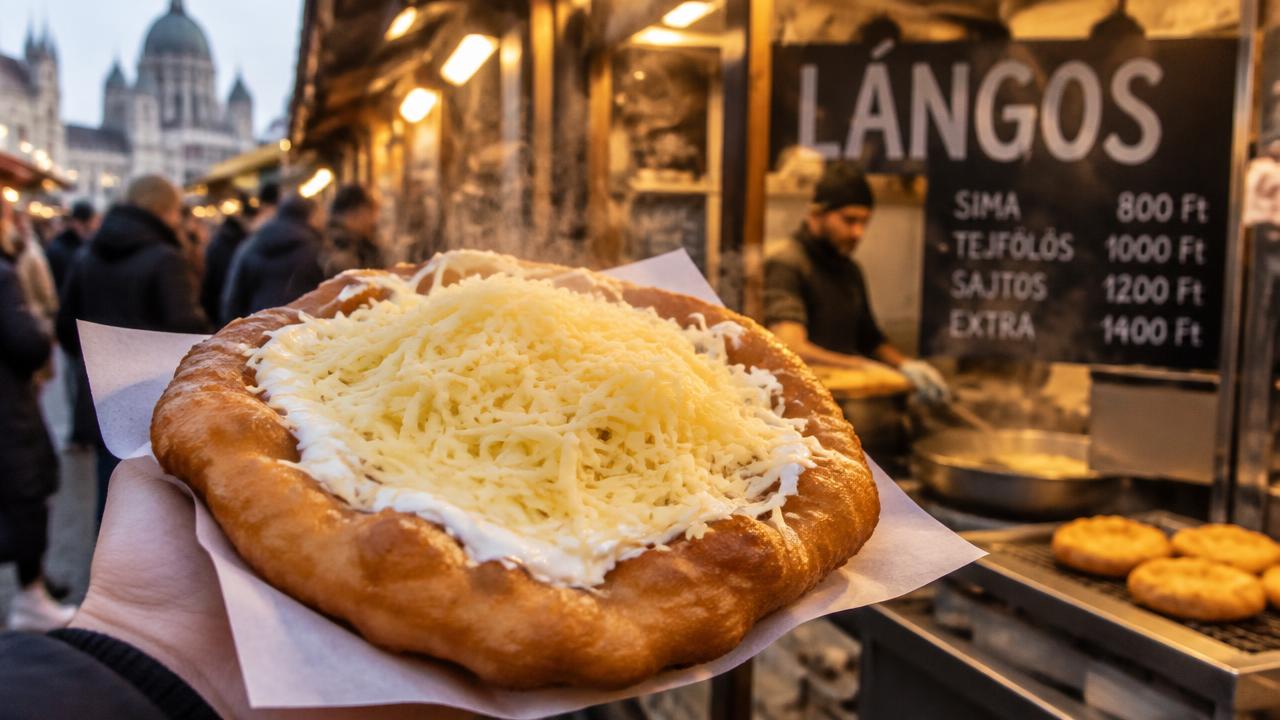
What is it? Lángos is one of the most recognisable Hungarian street foods. It's made from a soft dough that is stretched into a flat shape and deep-fried until golden. The classic toppings are garlic, sour cream and grated cheese. You'll also find many variations, from relatively simple versions to much more elaborate combinations.
Lángos is popular at markets, food stands, festivals and other informal dining locations. What does it taste like? Imagine warm, freshly fried bread with a slightly crispy exterior and a soft centre. Add garlic, sour cream and cheese, and you have the traditional combination. It's simple, rich and quite filling. When should you eat it?
Lángos makes a good casual lunch or substantial snack. If you're trying it for the first time, I would start with the traditional garlic, sour cream and cheese combination before exploring the more unusual toppings. A freshly prepared lángos is generally preferable to one that has been sitting around for a long time. One thing worth knowing: despite its popularity as street food, a large lángos can easily be a meal rather than a small snack.
5. Halászlé, Hungarian Fisherman's Soup
What is it? Halászlé is a traditional Hungarian fish soup known for its deep red colour and distinctive paprika flavour. It is commonly associated with regions along Hungary's major rivers. Two particularly well-known regional styles come from Baja and Szeged. The preparation methods differ. Baja-style fish soup is traditionally associated with carp and is often served with noodles, while Szeged-style soup commonly involves a more elaborate preparation and a strained fish base.
Both are examples of how regional traditions influence Hungarian cooking. Is it spicy? Halászlé can be noticeably spicy, depending on the recipe. If you don't enjoy hot food, ask the restaurant before ordering. Who should try it? If you enjoy fish, paprika and strongly flavoured soups, halászlé is worth considering. It's also an opportunity to discover a Hungarian dish that is quite different from the meat-based meals many tourists associate with the country.
Be aware that traditional fish soup may contain fish bones.
6. Töltött Káposzta, Hungarian Stuffed Cabbage
What is it? Töltött káposzta means stuffed cabbage. Traditional versions generally contain cabbage leaves filled with minced meat, rice and seasonings, cooked with sauerkraut or other cabbage. It's often served with sour cream. The dish is particularly associated with family cooking, winter meals and holiday celebrations.
However, you can find it in traditional restaurants at other times of the year too. What does it taste like? Stuffed cabbage combines savoury meat with the distinctive flavour of cabbage, which can have a pleasant sourness. The sour cream adds richness and balances the flavours. Recipes vary considerably between families and regions.
Some versions are strongly flavoured with paprika, while others place more emphasis on the cabbage and meat.
Traditional stuffed cabbage frequently contains pork, although recipes vary. If you don't eat pork, check the ingredients rather than assuming all stuffed cabbage is prepared the same way.
7. Túrós Csusza, Hungarian Noodles with Curd Cheese
What is it? Túrós csusza is a traditional Hungarian pasta dish made with noodles, curd cheese and sour cream. It is commonly topped with crispy bacon. The combination might sound unusual if you've never tried it, but it is a familiar Hungarian comfort food. The curd cheese used in Hungary, known as túró, has a different texture and flavour from many cheeses found elsewhere.
It is fresh, crumbly and slightly tangy. Combined with warm noodles, sour cream and salty bacon, it creates a distinctive savoury dish. Is it vegetarian? Not automatically. Although the main ingredients are pasta and cheese, the traditional version often contains bacon. If you're vegetarian, ask whether the restaurant can prepare it without meat and whether any other animal-derived ingredients are used.
Also remember that it contains dairy and usually gluten. Why try it? Túrós csusza is a good example of Hungarian food beyond the internationally famous paprika-based dishes. It gives you a different perspective on everyday Hungarian cooking.
8. Lecsó, Hungarian Pepper and Tomato Stew
What is it? Lecsó is a traditional Hungarian dish made primarily from peppers, tomatoes and onions. Paprika is often added, and the ingredients are cooked together until they become soft and flavourful. You might think of it as Hungary's answer to a vegetable stew. There are many variations. Some contain sausage, eggs or other ingredients, while others keep things relatively simple.
It's particularly associated with late summer, when fresh peppers and tomatoes are widely available. Is lecsó vegetarian? It can be, but don't assume every version is. Some traditional recipes use lard or include sausage. If you follow a vegetarian or vegan diet, ask about the preparation. Why should you try it? Lecsó is an interesting alternative if you've already tried several traditional meat dishes and want something different.
It also demonstrates that Hungarian cuisine isn't exclusively about beef, pork and heavy sauces.
9. Kürtőskalács, Hungarian Chimney Cake
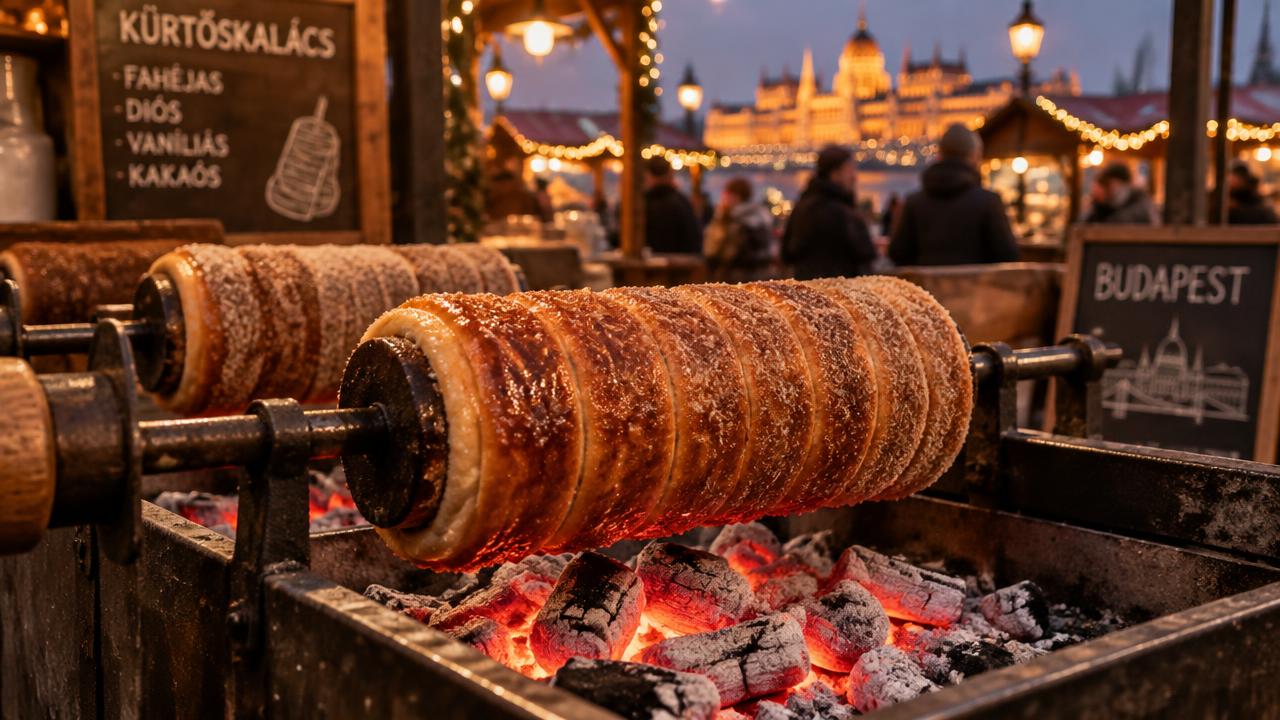
What is it? Kürtőskalács, commonly known as chimney cake, is one of the most recognisable sweet treats you'll encounter in Budapest. It's made by wrapping strips of dough around a cylindrical baking spit. As the dough cooks, the sugar on the outside caramelises, creating a sweet, slightly crispy exterior. Traditional toppings include cinnamon, ground walnuts and other simple flavourings.
The pastry has strong roots in Transylvanian Hungarian food traditions and is also associated with other parts of Central Europe. What's the best way to eat it? Fresh and warm. A freshly baked chimney cake has a pleasant contrast between its caramelised exterior and soft interior. You'll see elaborate versions filled with ice cream, cream and other toppings.
Those can be enjoyable, but if you want to understand the traditional pastry, try a simpler version first.
Chimney cakes can be surprisingly large. If you're travelling as a couple or have just finished a substantial lunch, sharing one may be enough.
10. Dobos Torta, Traditional Hungarian Layer Cake
What is it? Dobos torta is one of Hungary's classic desserts. It's a layered sponge cake filled with chocolate buttercream and finished with a distinctive caramel topping. The contrast between the soft cake, rich chocolate filling and firm caramel layer is what makes it recognisable. You'll find it in traditional Hungarian confectioneries and cafés.
What should you expect? Dobos cake is rich, sweet and quite different from lighter fruit-based desserts. It works particularly well as an afternoon treat with coffee. If you're exploring Budapest on foot, stopping at a traditional confectionery is an enjoyable way to take a break between sightseeing activities. Is Dobos cake the only Hungarian dessert worth trying?
Definitely not. Hungary has an extensive dessert tradition, and several other sweets deserve your attention. Which brings us to a few additional foods worth knowing about.
Beyond the Top 10: More Hungarian Foods Worth Discovering
If you have several days in Budapest, don't limit yourself to these ten dishes. There are plenty of other Hungarian specialities worth exploring.
- Somlói Galuska, A rich dessert made with layers or pieces of sponge cake, chocolate sauce and whipped cream. Traditional versions may contain walnuts, raisins and rum.
- Rétes, Hungarian strudel, commonly filled with apple, sour cherry, sweet curd cheese or poppy seeds. A good choice if you prefer a pastry instead of a rich cream cake.
- Pogácsa, A small savoury pastry commonly made with cheese, potatoes or other ingredients. You can find different versions in Hungarian bakeries.
- Főzelék, A category of thick vegetable dishes made with ingredients such as peas, lentils, potatoes or spinach. Depending on the recipe and toppings, some versions can suit vegetarian diets. These foods are also part of Hungary's culinary traditions and are documented in the country's official gastronomic guides.
What Should Vegetarians Eat in Budapest?
Traditional Hungarian cuisine contains a considerable amount of meat, but that doesn't mean vegetarians have no options. Many contemporary restaurants in Budapest offer vegetarian dishes, and some traditional foods can also be prepared without meat. Lecsó, certain types of főzelék, meat-free lángos and some traditional pastries are possibilities.
However, there is one important detail: a dish that looks vegetarian may still contain bacon, sausage, lard or meat-based stock. If you have specific dietary requirements, ask about the ingredients before ordering. The same applies to allergies. Sour cream, curd cheese, wheat flour, eggs and nuts appear in many traditional Hungarian recipes.
Never rely solely on the name or appearance of a dish when checking for allergens. If you have a severe allergy, ask not only about the ingredients but also about possible cross-contamination in the kitchen.
Is Hungarian Food Spicy?
Not necessarily. Hungarian cuisine is strongly associated with paprika, but paprika comes in different varieties. Sweet paprika adds flavour and colour without making food particularly hot. Hot paprika produces a different result. Consequently, two dishes with a similar red colour may have very different levels of heat.
If you're sensitive to spicy food, ask your server whether the dish contains hot paprika. And if you enjoy spicy food, you may be able to request additional hot paprika or chilli. Don't assume that every Hungarian dish is spicy simply because it's red.
Where to Try Traditional Hungarian Food
Rather than chasing specific restaurant names, which change quickly, it helps to know which type of place does each dish best.
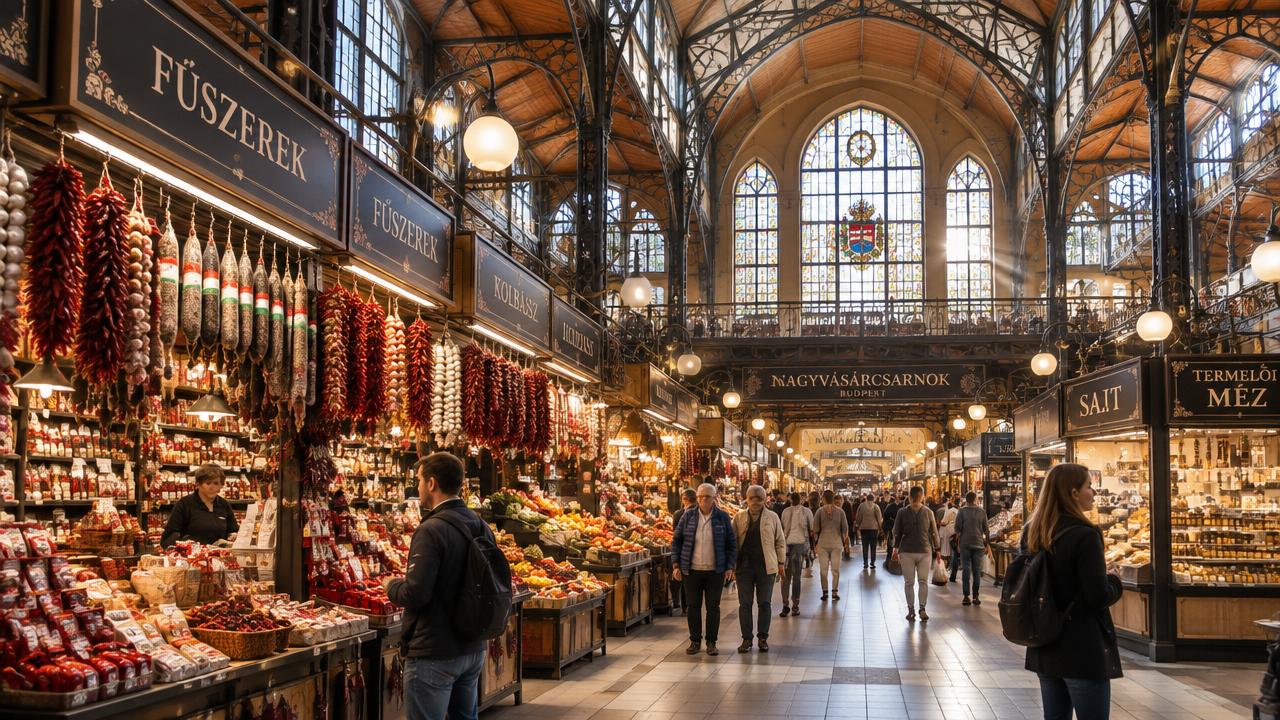
- Traditional Hungarian restaurants (vendéglő, étterem), gulyás, chicken paprikash, pörkölt and stuffed cabbage.
- Market halls and street food stands, freshly fried lángos.
- Traditional confectioneries and bakeries, Dobos torta, Somlói galuska, rétes and pogácsa.
How to Choose a Traditional Hungarian Restaurant
Budapest has many restaurants serving traditional Hungarian food, ranging from casual neighbourhood establishments to more formal dining rooms. You don't necessarily need to visit the most famous restaurant in the city to enjoy a traditional meal. When choosing somewhere to eat, I would consider a few practical details.
Look for a menu that clearly describes the dishes and their prices. Check recent reviews, particularly those discussing food quality rather than simply location. Remember that a restaurant beside a major tourist attraction isn't automatically bad, but a convenient location doesn't guarantee good food either. If you have dietary restrictions, check whether the restaurant provides appropriate information.
And if a menu is particularly extensive, don't assume that the restaurant prepares every traditional dish equally well. Sometimes a smaller selection of carefully prepared food is more appealing.
What About Tipping in Budapest Restaurants?
Restaurant tipping in Budapest may be different from what you're accustomed to at home. Many restaurants include a service charge, known as szervizdíj or felszolgálási díj. Check your bill before leaving an additional tip. A service charge and a voluntary tip are different things, and you shouldn't automatically add another percentage without checking what you've already paid.
For a more detailed explanation, read our separate guide:
Read the full guideTipping in Budapest: A Practical Guide for VisitorsQuick Guide: 10 Hungarian Foods to Try
| Hungarian name | What to expect |
|---|---|
| Gulyás | Beef and vegetable soup with paprika |
| Csirkepaprikás | Chicken in a creamy paprika sauce |
| Pörkölt | Slow-cooked meat stew |
| Lángos | Fried dough with savoury toppings |
| Halászlé | Traditional paprika fish soup |
| Töltött káposzta | Stuffed cabbage with meat and rice |
| Túrós csusza | Noodles with curd cheese, sour cream and often bacon |
| Lecsó | Pepper, tomato and onion stew |
| Kürtőskalács | Sweet, caramelised chimney cake |
| Dobos torta | Layered chocolate cake with caramel topping |
Ask a Local Driver Where to Eat
The easiest way to avoid tourist traps is to ask someone who eats here every day. During the optional one-hour orientation drive after your airport transfer, you can ask your VULPES driver for honest, local restaurant tips near your hotel.
Related serviceAirport Transfer + 1-Hour Orientation Tour (70 €)Final Thoughts: Discover Budapest Through Its Food
Hungarian cuisine has much more to offer than the dishes most international visitors already recognise. Gulyás is a good introduction, but chicken paprikash, pörkölt and traditional Hungarian street food are also worth discovering. And don't forget the desserts. Whether you prefer a rich chocolate cake in a traditional café or a freshly prepared lángos from a food stand, eating is an enjoyable part of exploring Budapest.
You don't need to plan every meal in advance. Try a few traditional dishes, explore different neighbourhoods and leave room for something unexpected. And after dinner, a two-hour private evening tour is a relaxed way to see the illuminated city.
Your first local contact in Budapest.
Read the full guide3 Days in Budapest: A Relaxed ItineraryRelated service2-Hour Private Budapest Evening Tour (100 €)Frequently Asked Questions
- What food is Budapest famous for?
- Budapest is known for traditional Hungarian dishes such as gulyás, chicken paprikash, pörkölt and lángos. Hungarian desserts, including Dobos cake and chimney cake, are also popular with visitors.
- Is goulash a soup or a stew in Hungary?
- Traditional Hungarian gulyás is generally a soup containing beef, vegetables and paprika. Pörkölt is the thicker Hungarian meat stew that some international visitors associate with the word goulash.
- What is the most popular Hungarian street food?
- Lángos is one of Hungary's most recognisable street foods. It's made from deep-fried dough and traditionally topped with garlic, sour cream and cheese. Kürtőskalács is another popular option if you prefer something sweet.
- Is Hungarian food spicy?
- Some dishes are spicy, but many are not. Paprika is an important ingredient in Hungarian cooking, and both sweet and hot varieties are used.
- Can vegetarians eat traditional Hungarian food?
- Yes, although it requires some attention. Certain versions of lecsó and főzelék can be suitable, as can some pastries and meat-free lángos. Always confirm ingredients because traditional recipes may contain animal fats, bacon or meat-based stock.
- What traditional Hungarian dessert should I try?
- Dobos torta, Somlói galuska, rétes and kürtőskalács are all worth considering. They offer quite different flavours and textures.
- Do Hungarian restaurants accept credit cards?
- Card payment is widely available in Budapest, particularly in established restaurants and cafés. Keeping some Hungarian forints as backup is still useful. For more information, read our guide: Cash or Card in Budapest? Money, ATMs & Currency Explained.
- Should I tip in Budapest restaurants?
- Check whether your bill includes a service charge before deciding whether to leave an additional voluntary tip. Around 10–15% is a common guideline when no service charge is included.
Last updated: 2026-09-27